
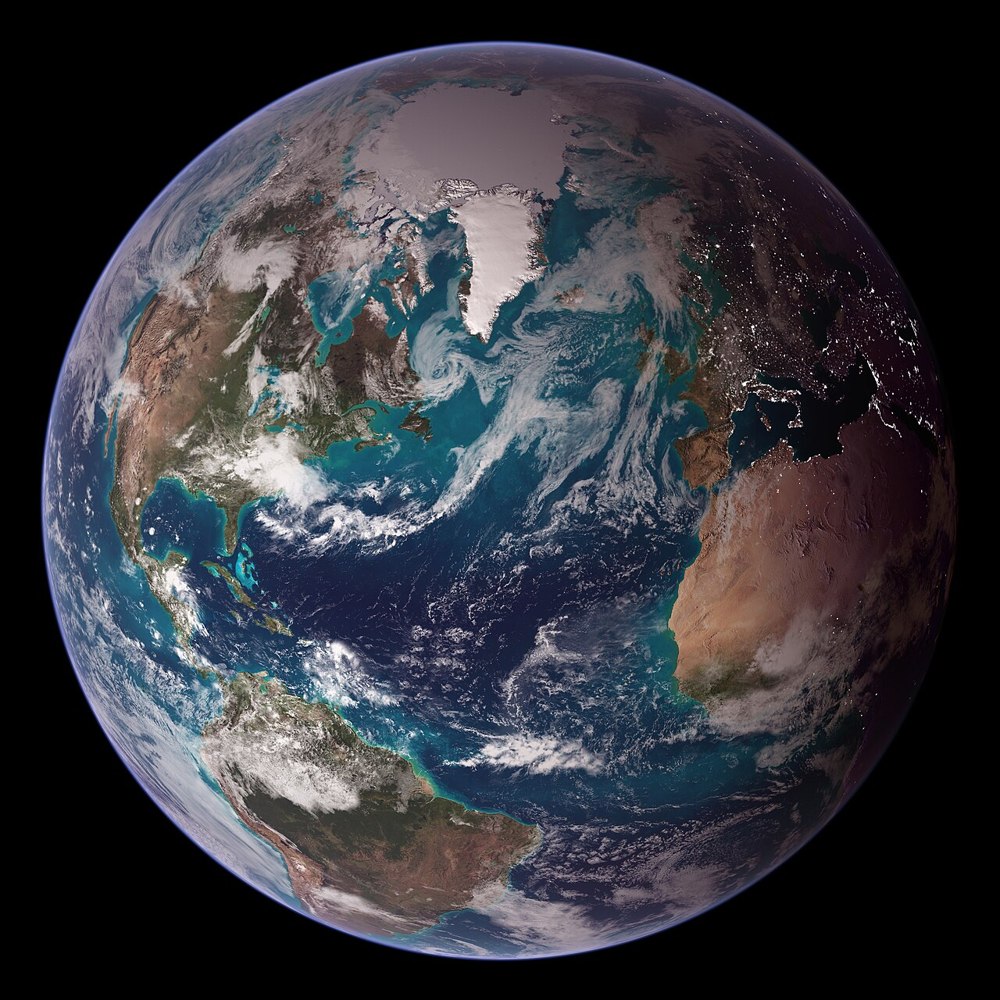
Earth experienced its hottest August on record in 2026, the World Meteorological Organization reported on 11 September. The agency also described a record-warm northern summer, drawing on assessments from international climate monitoring organisations.
NOAA put the month's global temperature at 1.32 degrees Celsius above its twentieth-century average. Copernicus reported a different figure relative to a pre-industrial baseline; the two reference periods should not be treated as interchangeable. WMO identified the developing El Nino as a contributing influence alongside the broader warming trend. The findings add to evidence of elevated ocean and land temperatures, while reminding readers that a single month's anomaly is different from the long-term average used to assess international climate goals.