
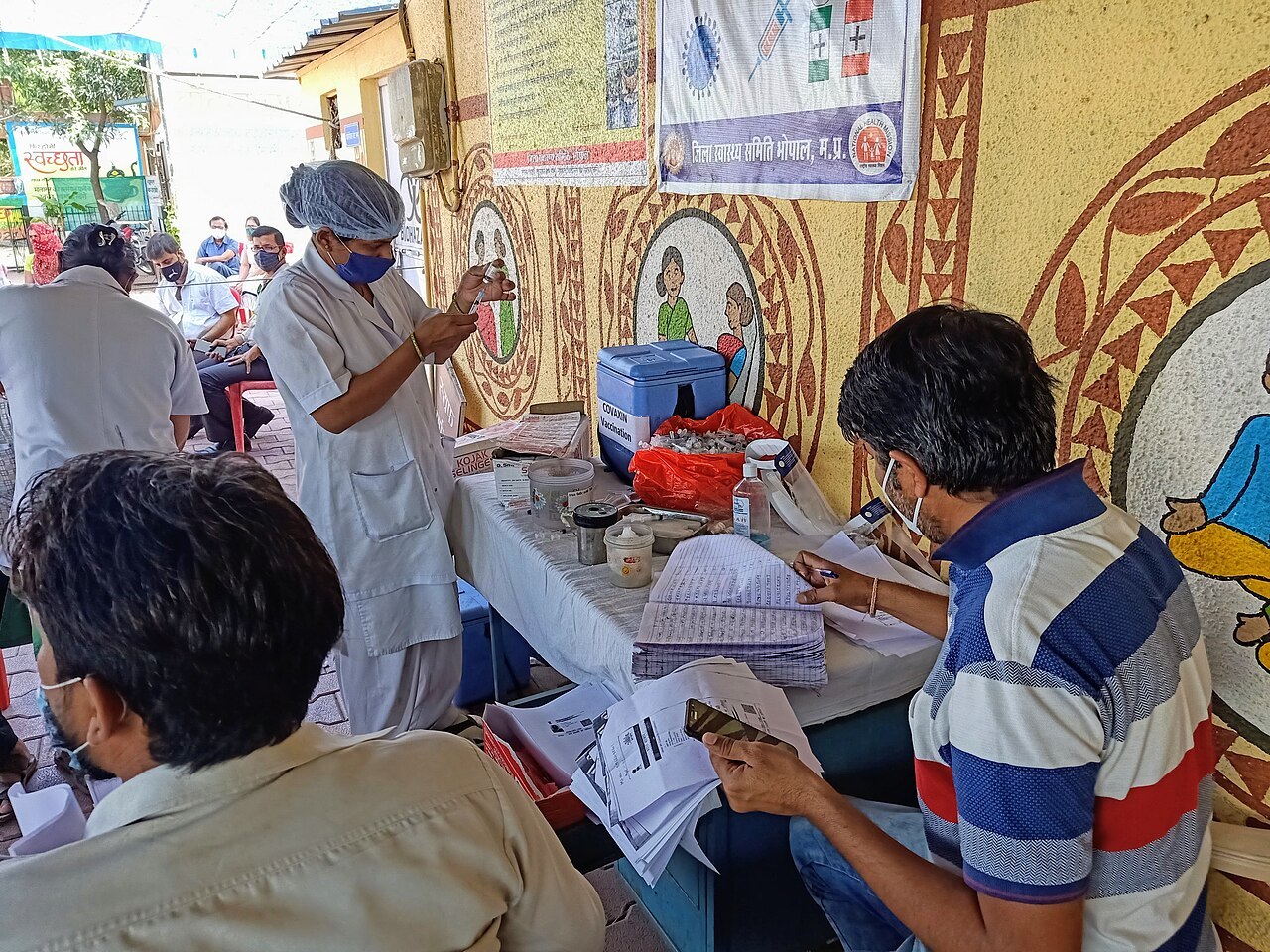
Global childhood vaccination made limited progress in 2025, according to estimates released by WHO and UNICEF on 15 July. Around 90 percent of infants received at least one dose of a diphtheria, tetanus and pertussis vaccine, while 85 percent completed the three-dose series. Both measures improved by one percentage point from the previous year.
The agencies estimated that 13.5 million children received no vaccine in their first year. Although that number declined, incomplete vaccination schedules remained a serious problem. Measles coverage was still below the level needed to prevent outbreaks, and 57 countries reported large or disruptive measles outbreaks during 2025. Conflict, displacement, service gaps and hesitancy were among the pressures on national programmes. The release underscored the need to track completion as well as initial access.